Sam’s Club Forges Wellness Identity in New York City with Inaugural Experiential Event

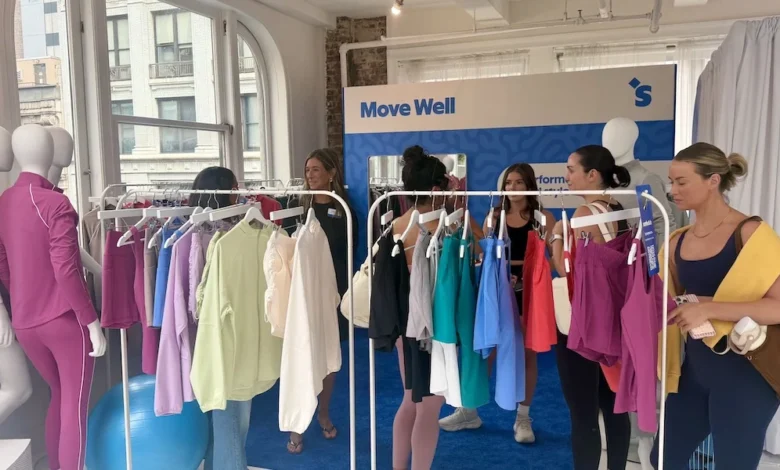
Despite the absence of a physical Sam’s Club store within New York City’s five boroughs, the wholesale retailer strategically selected the metropolis as the premier backdrop to unveil and amplify its comprehensive health and wellness ecosystem. On a recent Thursday, the company inaugurated its first-ever "Sam’s Wellness Club," an exclusive, invitation-only event hosted at a sophisticated loft space offering panoramic views of Midtown Manhattan. This meticulously curated gathering served as a nexus for influential creators, key media representatives, and Sam’s Club merchants, designed to immerse attendees in the breadth and depth of the brand’s wellness offerings.
The experiential event transformed the urban loft into a vibrant showcase, presenting an array of products spanning various categories within the Sam’s Club assortment. Attendees explored curated displays featuring food items tailored for healthy living, an extensive selection of health and beauty products, vibrant flower bouquets, and a range of active apparel. Many of these items were available for attendees to sample or take home, fostering direct engagement with the merchandise. Beyond product displays, the event incorporated interactive components aimed at holistic well-being, including luxurious massage chairs for relaxation, professional ear cleaning services, and a dynamic group sculpt workout class led by a prominent fitness content creator. This multi-faceted approach underscored Sam’s Club’s ambition to position itself as a comprehensive partner in its members’ wellness journeys, transcending traditional wholesale retail boundaries.
Strategic Imperative: Wellness at the Core of Membership Value
The decision to host such a significant event, particularly in a market without a direct retail presence, signals a deliberate and intensified focus on the health and wellness segment as a core strategic pillar for Sam’s Club. Kaity Whitmire, who oversees crucial categories including baby, health/beauty, and over-the-counter medicine at Sam’s Club, articulated the long-standing importance of this focus. "Wellness has been a part of our strategy for a long time at Sam’s; it’s one of the top three things on our members’ minds," Whitmire told Modern Retail at the event. She further elaborated on the event’s underlying purpose: "What this experience is really for is to demonstrate how it comes together as an ecosystem." This statement highlights the brand’s commitment to showcasing how disparate products within its vast inventory coalesce into a cohesive offering that supports a holistic approach to health.
The event served as a tangible manifestation of Sam’s Club’s efforts to weave a compelling narrative around its diverse health and wellness portfolio. It aimed to illustrate how members can seamlessly integrate wellness into their everyday shopping, purchasing items like fiber powder alongside conventional grocery staples, or fresh fruits and vegetables alongside blenders and other kitchen appliances designed for healthy meal preparation. Whitmire emphasized the authenticity of the experience, stating, "The cool part about this experience and this immersion is this is really what the member would find in the club. It’s all about really great items, really incredible values brought to you by industry experts from our merchandising team in a really curated and thoughtful way that supports the members’ everyday wellness journey." This approach reflects a deeper understanding of contemporary consumer demands, where value extends beyond price to encompass quality, relevance, and a curated shopping experience.
Expanding the Wellness Ecosystem: Partnerships and Private Label Prowess
Sam’s Club’s commitment to wellness extends beyond in-store merchandising and experiential marketing, manifesting in strategic partnerships and robust private-label initiatives. A recent collaboration with WeightWatchers exemplifies this proactive stance, introducing new membership benefits that include a specialized program providing medical support for users of GLP-1 medications. This timely partnership addresses a rapidly growing segment of the wellness market, acknowledging the increasing prevalence and impact of these weight-management drugs and positioning Sam’s Club as a supportive resource for its members navigating these health pathways.
Furthermore, the brand’s private label, Member’s Mark, has been a significant vehicle for advancing its wellness agenda. Last year, Sam’s Club announced that an impressive 96% of its Member’s Mark food and beverage products were now free of over 40 undesirable ingredients, including artificial colors and high-fructose corn syrup. This move underscores a broader industry trend towards cleaner labels and transparent ingredient sourcing, directly responding to consumer demand for healthier, less processed food options. Myron Frazier, chief merchandising officer of Sam’s Club, articulated the strategic rationale behind these efforts in an exclusive interview with Modern Retail. "We know that our members are focused on healthier living, and this partnership helps us bring that to them in a more accessible and affordable way," Frazier stated. He added, "Consumer expectations around health and wellness are changing rapidly, and increasingly people want trusted and affordable solutions." This sentiment encapsulates the dual challenge and opportunity for retailers: meeting evolving consumer health preferences while maintaining affordability, a cornerstone of the wholesale club model.
Navigating Consumer Trends: From "Fibermaxxing" to High-Protein
While Sam’s Club has historically been present in the wellness space, recent efforts indicate a more intentional and data-driven approach to highlighting and expanding its offerings. Whitmire noted that this expanded focus encompasses more than just traditional health foods or medicines; it now strategically includes high-protein products, beauty items, and fitness apparel. The NYC event visually demonstrated this expansive view, showcasing everything from an advanced electronic face mask to nutrient-rich smoothies and performance workout clothes. "What we’re doing is bringing thoughtful solutions across the entire box together in one place to give that visual and that inspiration to the member," Whitmire explained, emphasizing the curated nature of their wellness strategy.
The emergence of the creator economy and the pervasive influence of social media have significantly shaped Sam’s Club’s approach to identifying and responding to wellness trends. Whitmire revealed that the company dedicates considerable resources to analyzing phenomena like "fibermaxxing" – a trend focused on maximizing dietary fiber intake for gut health and satiety – and the sustained interest in high-protein diets. Crucially, the analysis extends beyond merely identifying what is trending to understanding the underlying "why." For instance, the team investigates whether a trend like "fibermaxxing" stems from a general consumer desire for better sleep support or improved digestive health. This deep dive into consumer motivations allows Sam’s Club to then assess its existing assortment: "What the team does is they go back and look and [ask], ‘Do we have things across the assortment today that meet that objective?’" This iterative process ensures that Sam’s Club remains agile and responsive, continually adapting its product offerings to align with evolving consumer needs and popular wellness narratives.
The global wellness economy, valued at an estimated $5.6 trillion in 2022 and projected to reach $8.5 trillion by 2027 by the Global Wellness Institute, underscores the immense market opportunity Sam’s Club is tapping into. This growth is driven by increasing consumer awareness of preventative health, a desire for holistic well-being, and a willingness to invest in products and services that enhance quality of life. By strategically curating its offerings to address trends like "fibermaxxing" and high-protein, Sam’s Club positions itself to capture a significant share of this expanding market, reinforcing its relevance to a health-conscious membership base.
The Power of Place: Why New York City?
The selection of New York City as the venue for this inaugural wellness event was far from arbitrary. Despite the logistical challenge of not having a local store, the city’s status as a global hub for health and fitness influencers proved irresistible. "It’s the mecca of wellness," Whitmire declared, highlighting NYC’s unparalleled concentration of trendsetters, media, and a highly engaged, health-conscious populace. This strategic choice allowed Sam’s Club to tap directly into the pulse of wellness culture and connect with key opinion leaders who can authentically disseminate its message.
Attendees at the "Sam’s Wellness Club" event included prominent figures such as Matt James, widely known from "The Bachelor" and now a burgeoning food and fitness influencer, and Jenna Palek, an Austin-based fitness content creator and events host who also led the workout class. Whitmire emphasized the indispensable role of the creator community in contemporary retail. These influencers serve as vital conduits, helping members and consumers at large to understand product trends, explore diverse use cases, and witness products in action. The shift in consumer behavior, driven by social media, means that traditional product descriptions are often insufficient. "People are experiencing products differently now than they ever have before, and a large part of that is due to the creator community," Whitmire observed. "It’s no longer OK just to read a [product detail page] and understand a product; you really want to hear firsthand from someone how it works, you want to see how it works, you want to engage in a different way." This insight underscores the efficacy of experiential marketing combined with influencer outreach, creating a dynamic and relatable brand interaction.
The influencer marketing industry itself is a testament to this shift, projected to be worth $21.1 billion in 2023. Brands are increasingly allocating significant portions of their marketing budgets to creator partnerships, recognizing their ability to build trust, drive engagement, and directly influence purchasing decisions, particularly within niche communities like the wellness segment. Sam’s Club’s investment in this event and its associated influencer outreach is a calculated move to leverage this powerful marketing channel.
A Broader Retail Strategy: Precedents and Future Outlook
The "Sam’s Wellness Club" event is not an isolated experiment but rather fits into a broader experiential marketing strategy employed by its parent company, Walmart. Walmart has a history of utilizing pop-up events and unique activations in high-profile urban centers like New York City to engage consumers and build brand affinity, particularly in categories where it seeks to challenge perceptions. For instance, Walmart hosted a fashion pop-up this spring featuring items from its Free Assembly and Scoop lines, aiming to elevate its apparel offerings. Similarly, its "Walmart Delivers" themed trucks made stops in Brooklyn and Central Park last year, showcasing its expanded delivery capabilities and connecting with urban consumers.
These activations serve multiple purposes: they generate buzz, allow for direct consumer interaction, provide valuable market feedback, and reinforce brand messaging in environments where traditional retail presence might be limited or less impactful. For Sam’s Club, an experiential event in NYC allows it to project a modern, health-conscious image, potentially attracting a younger, more affluent demographic that might not typically consider a wholesale club for their wellness needs. It also demonstrates agility and an understanding of contemporary marketing tactics, moving beyond solely relying on membership growth driven by bulk savings.
Market Landscape and Competitive Edge
In the highly competitive landscape of wholesale retail, dominated by players like Costco and Amazon’s growing wholesale offerings, differentiation is key. While Costco also offers a wide array of health and wellness products, Sam’s Club’s concerted effort to brand and market its wellness ecosystem through such a targeted event provides a distinct competitive edge. By actively engaging with influencers and crafting a narrative around holistic wellness, Sam’s Club aims to cultivate a deeper emotional connection with its members, positioning itself as a trusted partner rather than just a provider of bulk goods.
The private label segment, where Sam’s Club excels with Member’s Mark, plays a critical role here. Private labels often offer better margins for retailers and provide exclusive products that build brand loyalty. By enhancing the health profile of 96% of its Member’s Mark food and beverage products, Sam’s Club is directly challenging the perception that private labels are simply cheaper alternatives, instead positioning them as premium, health-conscious choices. This strategy appeals to a growing demographic that prioritizes both value and wellness, blurring the lines between premium and accessible.
Implications for the Future of Retail
The "Sam’s Wellness Club" event holds significant implications for the future trajectory of retail and brand engagement. Firstly, it underscores the increasing importance of experiential marketing in an era of digital saturation. Consumers crave authentic, immersive experiences that allow them to connect with brands on a deeper level. By creating a physical space that mirrors the aspirational aspects of wellness, Sam’s Club fosters a memorable brand interaction that extends beyond transactional shopping.
Secondly, the event highlights the evolving role of brick-and-mortar (or in this case, a proxy for it) in brand building, even for retailers without a direct presence in a specific market. Such pop-ups allow brands to test markets, gather insights, and build awareness without the significant investment of a permanent store. This agile approach to market penetration and brand building is likely to become more prevalent across the retail sector.
Finally, Sam’s Club’s embrace of the creator economy signals a sophisticated understanding of modern consumer psychology. In an age where trust is increasingly placed in peer recommendations and authentic narratives, leveraging influencers provides a credible and relatable avenue to communicate brand values and product benefits. This strategy, combined with a clear focus on evolving consumer health trends and a commitment to cleaner, more accessible wellness products, positions Sam’s Club not just as a bulk retailer, but as a proactive and adaptable player in the ever-expanding wellness market. As consumer expectations around health and well-being continue to evolve, Sam’s Club appears well-prepared to meet these demands, solidifying its relevance and appeal for years to come.